
Patient education
Cystoscopy
A quick look inside the urethra and bladder with a thin camera, to find the cause of urinary symptoms or to check on a known condition.
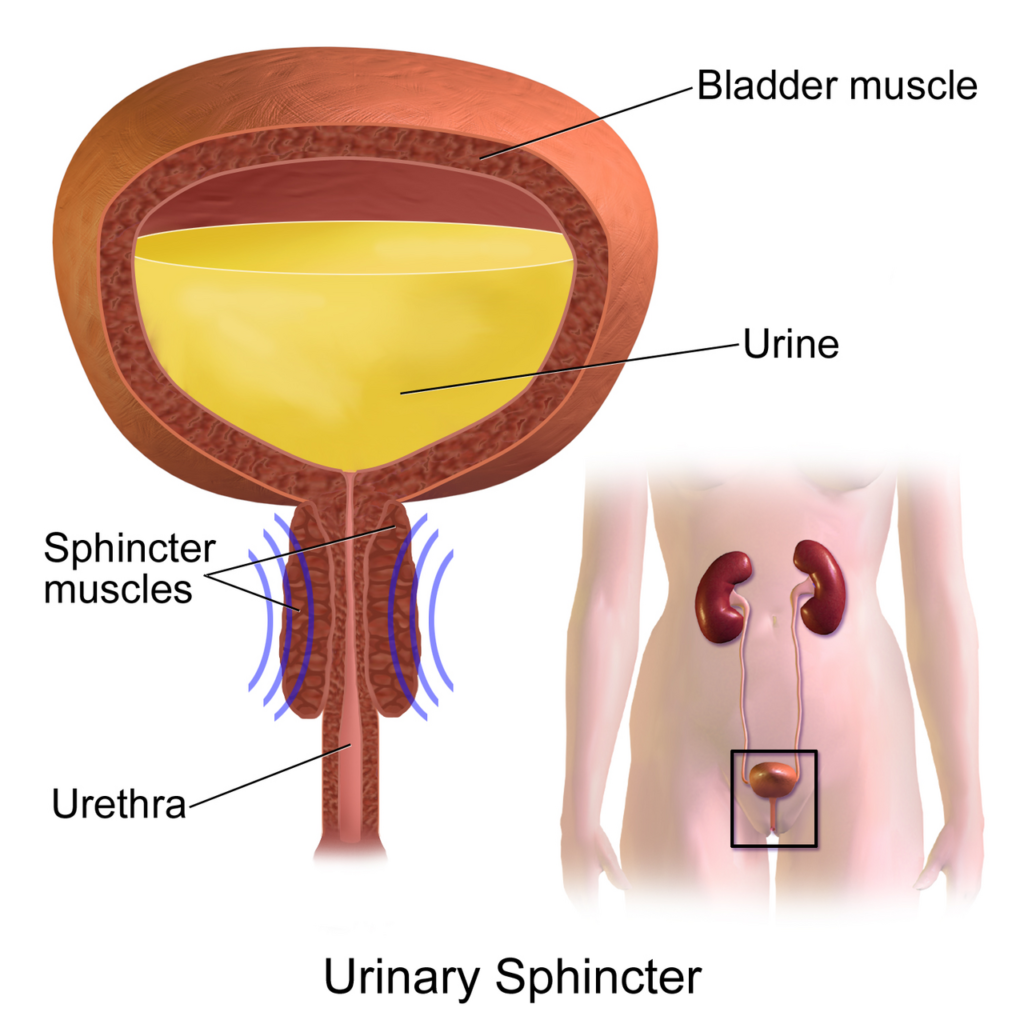
Illustration: BruceBlaus, CC BY-SA 4.0, via Wikimedia Commons
Procedure time
About 5–10 minutes
Anesthesia
Numbing gel (office)
Where
Usually in the office
Back to normal
Same day
Why cystoscopy is done
- To find the cause of blood in the urine
- To evaluate frequent urinary infections, urgency, leakage or a weak stream
- To check for bladder tumors and to monitor patients after bladder cancer treatment
- To remove a ureteral stent, or to take a small biopsy
- To give treatments such as bladder Botox injections for overactive bladder
Flexible or rigid?
Most cystoscopies use a flexible cystoscope — a soft, thin, bendable tube with a light and camera that follows the natural curves of the urethra. It is done in the office while you are awake. A rigid cystoscope is used in the operating room under anesthesia when larger instruments are needed, for example to remove a bladder tumor or stone.
What to expect
You will be asked to give a urine sample to make sure there is no infection. You lie on the exam table, the area is cleaned, and a numbing gel is placed in the urethra. The scope is gently passed into the bladder, and sterile water fills the bladder so the lining can be seen clearly. You may feel pressure or an urge to urinate. Dr. Pooli will usually show you the findings on the screen and explain them right away.
Afterward
- Mild burning with urination and pink-tinged urine are common for a day or two.
- Drink extra water for the rest of the day.
- You can drive and return to normal activities right away after an office cystoscopy.
- If a biopsy was taken, we will contact you with the results.
Possible risks
- Urinary infection (uncommon)
- Temporary bleeding or burning
- Difficulty urinating afterward (rare)
When to call us
- Fever of 100.4°F (38°C) or higher or chills
- Burning or bleeding that lasts more than 2 days or gets worse
- You cannot urinate
Call (424) 529-6755. For chest pain, trouble breathing, fainting or other emergencies, call 911.
This page is general education and is not a substitute for medical advice. Your evaluation and treatment plan will be personalized at your visit.
Ready to talk with Dr. Pooli?
New patients, second opinions, concierge and out-of-network PPO patients are welcome.