
Patient education
How the urinary tract works
A plain-language guide to the kidneys, ureters, bladder and urethra — what each part does, how men’s and women’s anatomy differ, and the problems a urologist treats.
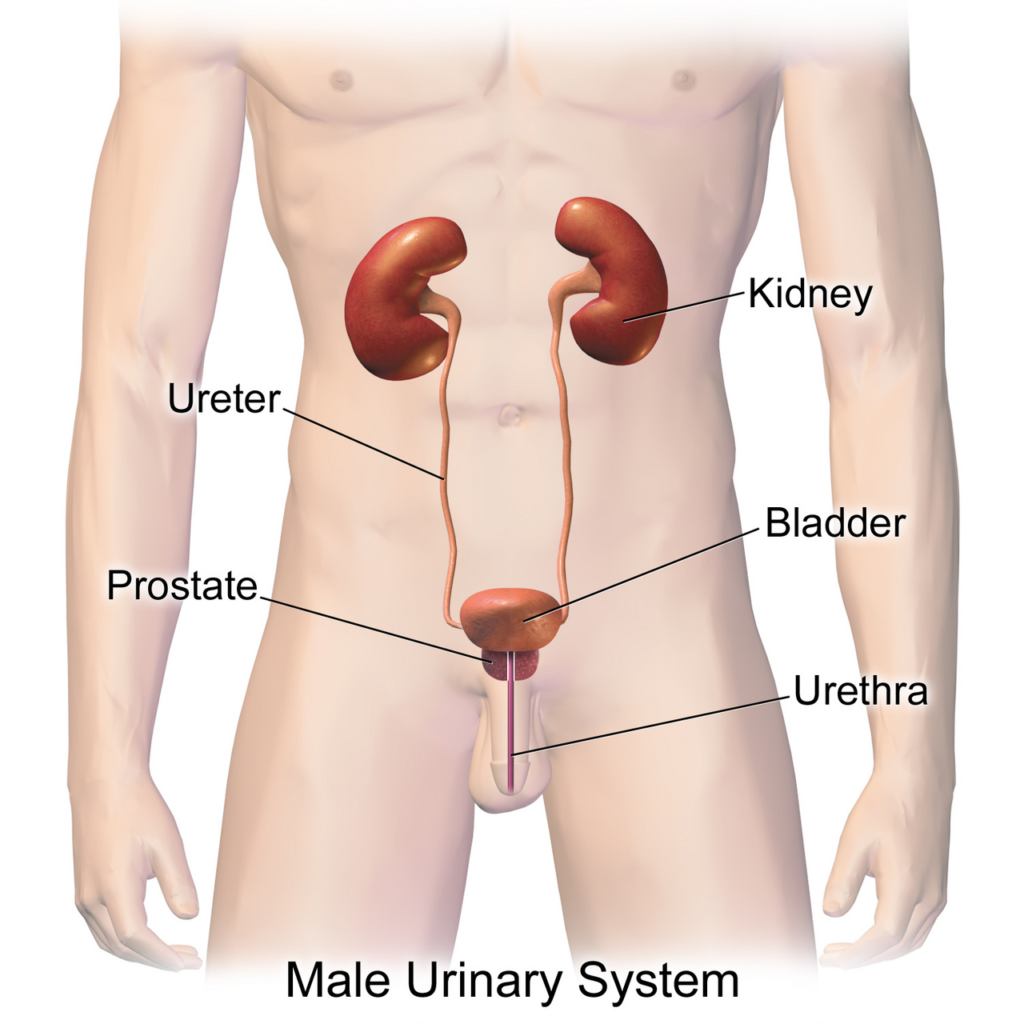
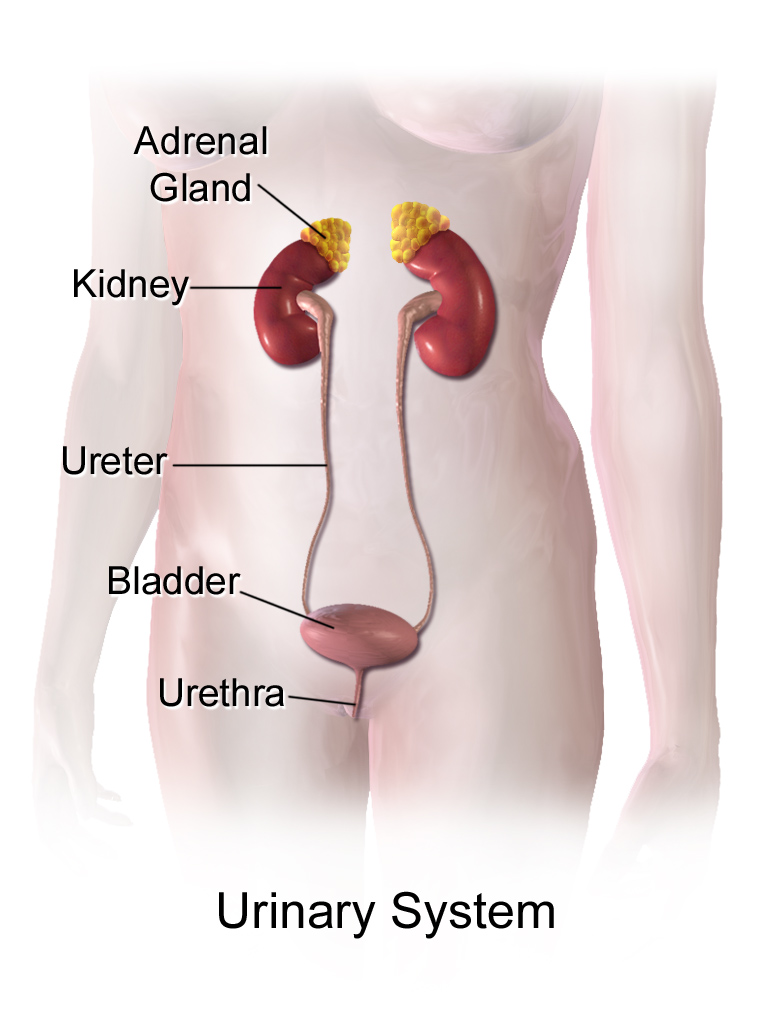
Kidneys
Two, each about the size of a fist
Daily urine
About 1–2 liters for most adults
Bladder
Holds roughly 1.5–2 cups
An overview
The urinary tract is the body’s filtering and drainage system. It has two kidneys, two ureters, the bladder and the urethra. Together they remove waste and extra fluid from the blood and carry it out of the body as urine.
The kidneys
The kidneys are two bean-shaped organs, each about the size of a fist. They sit in the upper back of the abdomen, one on either side of the spine, protected by the lower ribs. An adrenal gland sits on top of each kidney.
The kidneys do several important jobs:
- Filter the blood to remove waste, extra fluid and salt, which become urine
- Keep the body’s water, salt and mineral balance steady
- Make hormones that help control blood pressure
- Make a hormone that tells the bone marrow to produce red blood cells
- Help keep bones healthy by activating vitamin D
Urine collects in the center of each kidney, an area called the renal pelvis, before draining out. Most people can live a full, healthy life with one working kidney.
The ureters
The ureters are thin muscular tubes, about 10 to 12 inches long, that carry urine from each kidney down to the bladder. Gentle waves of muscle movement push urine along. One-way valves where the ureters enter the bladder help stop urine from flowing back up toward the kidneys.
The ureter is narrow, so a kidney stone passing through it can cause a blockage and severe pain. A narrowing where the kidney meets the ureter (UPJ obstruction) can also slow drainage.
The bladder
The bladder is a hollow, balloon-like muscle in the lower pelvis. It stores urine and expands as it fills. When it is time to urinate, the brain signals the bladder muscle to squeeze while the sphincter muscles around the outlet relax, letting urine flow out.
Bladder control depends on teamwork between the bladder, the sphincter muscles, the pelvic floor and the nerves that connect them to the brain and spinal cord.
The urethra
The urethra is the tube that carries urine from the bladder out of the body. In women it is short, about 1.5 inches, which is one reason bladder infections are more common in women. In men it is about 8 inches long and runs through the prostate and the penis.
Differences in men
In men, the prostate is a walnut-sized gland that sits just below the bladder and wraps around the urethra. It makes part of the fluid in semen. As men age the prostate often grows (benign prostatic hyperplasia, or BPH), which can squeeze the urethra and cause a weak stream, frequent urination or getting up at night. The prostate is also where prostate cancer develops.
Differences in women
In women, the bladder sits in front of the uterus and vagina, supported by the muscles and tissues of the pelvic floor. Childbirth, aging and menopause can weaken this support, which can lead to stress urinary incontinence (leaking with coughing or exercise) or pelvic organ prolapse, where the bladder or other organs drop down into the vagina.
Common problems a urologist treats
- Kidney stones — hard deposits that form in the kidney and can block the ureter
- Blood in the urine (hematuria) — always worth an evaluation, even if it happens only once
- Enlarged prostate (BPH) — urinary symptoms caused by prostate growth
- Cancers of the kidney, bladder, prostate and testicle
- Urinary incontinence and prolapse
- Blockages or narrowing of the ureter or urethra
- Urinary tract infections, especially when they keep coming back
Keeping your urinary tract healthy
- Drink enough fluid that your urine is pale yellow, unless your doctor has told you to limit fluids
- Don’t smoke — smoking is the leading risk factor for bladder cancer and also raises the risk of kidney cancer
- Keep blood pressure and blood sugar under control to protect the kidneys
- Limit salt and excess animal protein if you form kidney stones
- Don’t ignore blood in the urine, a change in your stream or new leaking — see a urologist
When to call us
- You see blood in your urine
- You have pain in your side or back with fever or vomiting
- You cannot urinate or can pass only small amounts
- You have burning with urination along with fever or chills
- You notice a new lump in a testicle
Call (424) 529-6755. For chest pain, trouble breathing, fainting or other emergencies, call 911.
This page is general education and is not a substitute for medical advice. Your evaluation and treatment plan will be personalized at your visit.
Ready to talk with Dr. Pooli?
New patients, second opinions, concierge and out-of-network PPO patients are welcome.